Selected poetry of hundreds of poets
Hall of Poets
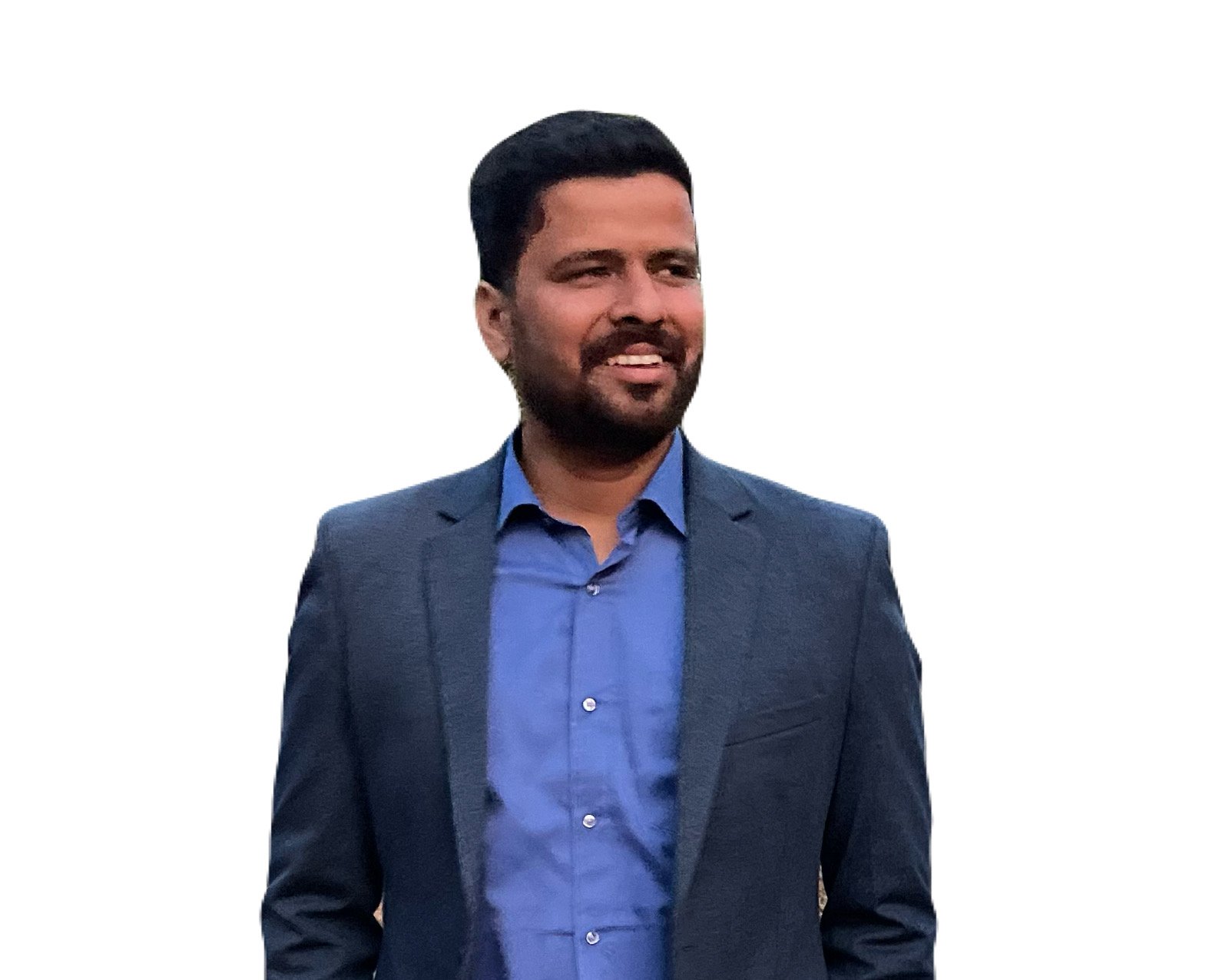
Gourav Baloria
calendar_today 1996 – present location_on Nurpur, HimachalGourav Baloria is a versatile Product Owner and Scrum Master who bridges the gap between technical execution and strategic vision. Beyond his IT career, Gourav is a passionate entrepreneur and community builder, leading purpose-driven initiatives like Himachali In Pune Community and contributing to the sustainability non-profit, The Paper Ball. Balancing his technical acumen with creative pursuits, Gourav is an avid writer and lover of Hindi, English and Himachali poetry, sharing his passion through his platform.
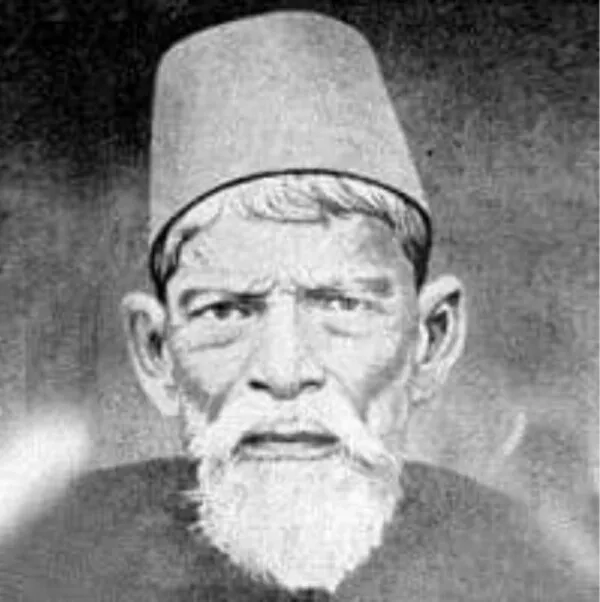
Akbar Allahabadi
location_on Allahabad, Indiaअकबर इलाहाबादी उर्दू के प्रसिद्ध शायर थे, जिनका असली नाम सैयद अकबर हुसैन था। वे अपने व्यंग्यात्मक (satirical) और सामाजिक-राजनीतिक शेरों के लिए जाने जाते हैं। उनकी शायरी में ब्रिटिश राज, आधुनिकता और समाज के बदलते मूल्यों पर तीखा लेकिन मज़ेदार कटाक्ष मिलता है। वे पेशे से जज भी थे, इसलिए उनकी रचनाओं में गहराई और समझ दोनों दिखती हैं। उनकी शैली गंभीर बातों को हल्के-फुल्के अंदाज़ में कहने की थी, जो उन्हें बाकी शायरों से अलग बनाती है।
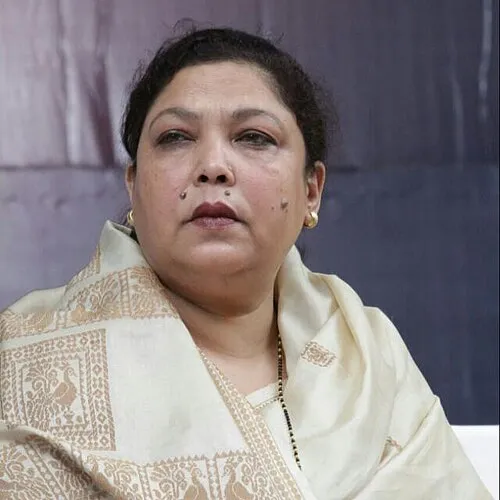
Anjum Rehbar
calendar_today 1962 – present location_on Bhopal, IndiaAnjum Rehbar is a renowned Indian poetess known for her powerful and emotionally charged Urdu and Hindi poetry. Her work often reflects themes of love, pain, identity, and social realities. With a bold voice and impactful stage presence, she has gained popularity in mushairas and literary gatherings across India. Her poetry connects deeply with audiences due to its simplicity, intensity, and relatable expressions.
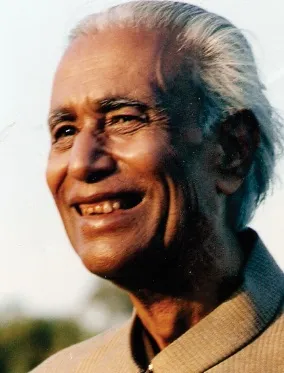
Dharmveer Bharati
calendar_today 1926 – 1997 location_on Uttar Pradesh, IndiaDharmveer Bharati was a prominent Hindi writer, poet, playwright, and editor. He is best known for blending romanticism with modern existential themes. His work often explored love, morality, war, and human conflict. He gained immense recognition both as a literary figure and as the long-time editor of Dharmayug, a leading Hindi weekly. His writing style is accessible yet deeply philosophical, which is why his works still resonate with readers today.
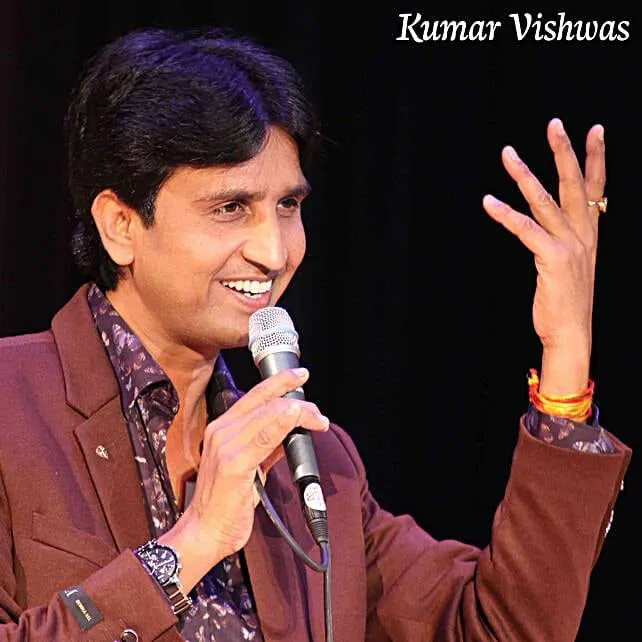
Kumar Vishwas
calendar_today 1970 – present location_on Ghaziabad, IndiaKumar Vishwas is one of the most recognizable modern Hindi poets, known for blending romanticism with sharp social and political commentary. His rise came through Kavi Sammelans, where his expressive delivery turned poetry into a performance art.
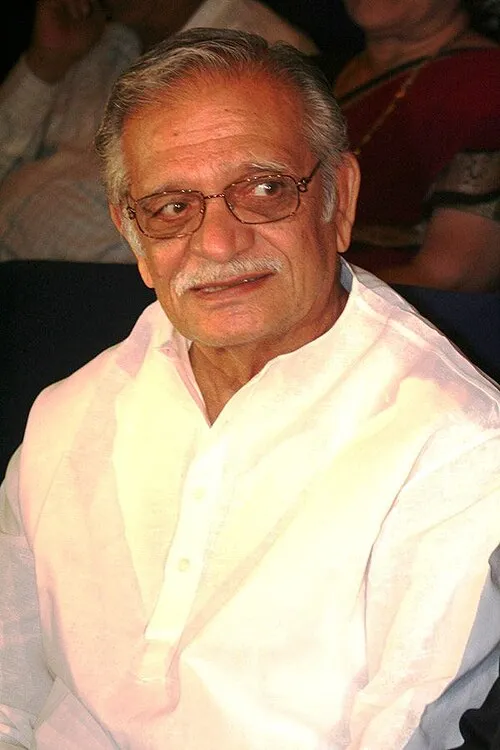
Gulzar
calendar_today 1934 – present location_on Mumbai, IndiaGulzar is a legendary Indian poet, lyricist, screenwriter, and film director. After being uprooted by the Partition in 1947, he moved to Mumbai and worked as a car mechanic while pursuing his passion for literature through the Progressive Writers’ Association. He was mentored by director Bimal Roy, who gave him his first break. Over six decades, he has redefined Indian cinema and literature with his unique imagery, sensitive storytelling, and the invention of the Triveni (a three-line poetic form)
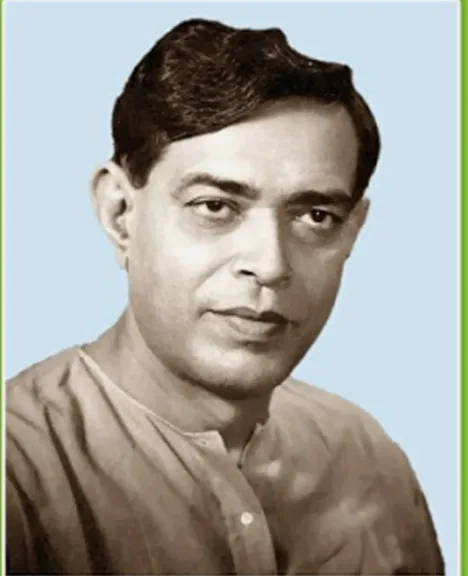
Ramdhari Singh 'Dinkar'
calendar_today 1908 – 1974 location_on Born in Simaria (Begusarai), Bihar, IndiaRamdhari Singh 'Dinkar' was a towering figure in modern Hindi literature, celebrated as the "Rashtrakavi" (National Poet). He was a poet, essayist, and academic who played a significant role during the Indian independence movement. His verses, often written in Veer Rasa (heroic sentiment), provided a clarion call for nationalism and social justice. Beyond his literary contributions, he served as a member of the Rajya Sabha for 12 years and was the Vice-Chancellor of Bhagalpur University.
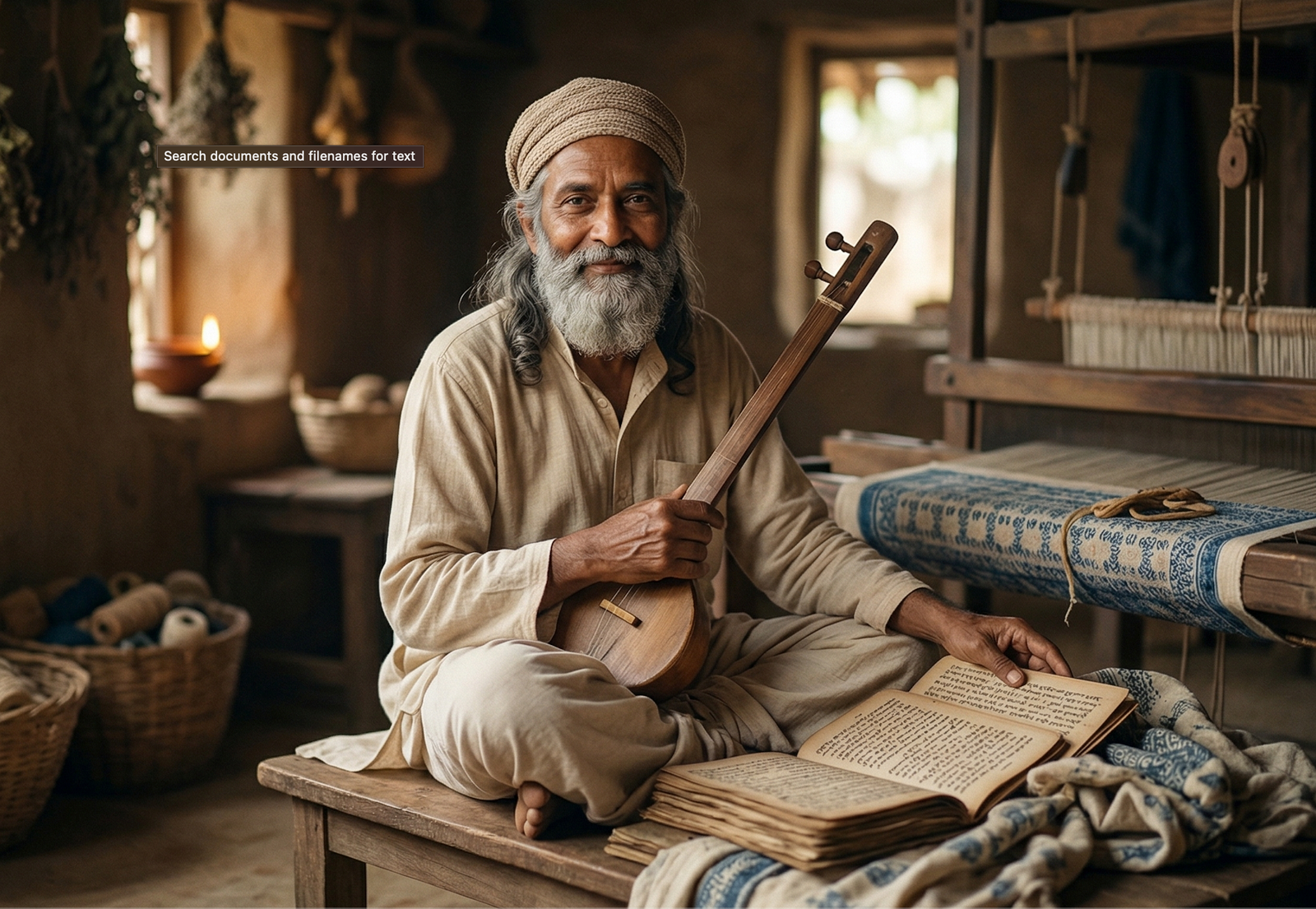
Sant Kabir Das
location_on Varanasi (Kashi)Kabir Das was a legendary 15th-century mystic poet, saint, and social reformer whose teachings fundamentally shaped the Bhakti and Sufi movements in India. His life is steeped in both history and legend; most accounts agree he was found as an infant near the Lahartara pond in Varanasi and raised by a Muslim weaver couple, Niru and Nima. Kabir’s philosophy was "Nirguna" (the worship of a formless God). He was a fierce critic of religious hypocrisy, caste discrimination, and empty rituals in both Hinduism and Islam. Despite having no formal education and remaining illiterate, he composed profound poetry in vernacular languages (a mix of Hindi, Braj, and Bhojpuri) that was easy for the common person to understand. His legacy is one of unity and internal spirituality. He famously taught that God (whether called Ram or Allah) resides within the heart of the individual, not in temples or mosques. Upon his death in Maghar, legend says his followers from both faiths fought over his remains, only to find a heap of flowers where his body had been symbolizing his lifelong message of peace and religious harmony. Date of Birth c. 1398 or 1440 CE (The exact year is debated by historians) Date of Passing c. 1518 CE
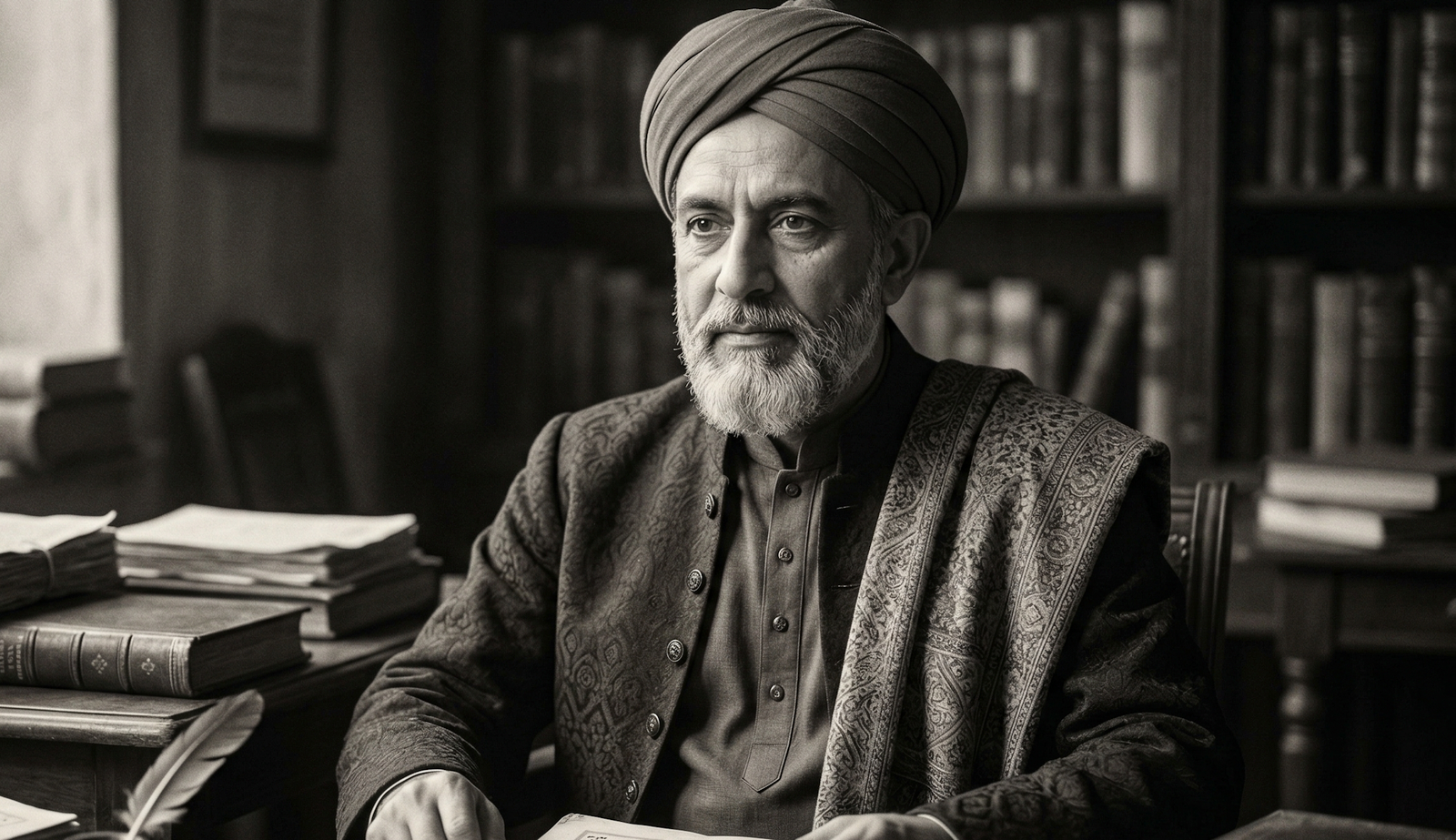
Mir Muhammad Taqi
calendar_today 1723 – 1810 location_on Lucknow, IndiaMir Muhammad Taqi, famously known by his pen name Mir Taqi Mir, was the leading Urdu poet of the 18th century and one of the principal architects of the Urdu language. Widely revered as Khuda-e-Sukhan (God of Poetry), he was a master of the ghazal and a central figure of the Delhi School of poetry. His verses are deeply characterized by pathos, melancholy, and a beautiful simplicity, reflecting both the profound personal tragedies he endured and the historical turbulence of Delhi's repeated sackings during his lifetime. 1723 (Exact day and month are historically uncertain)
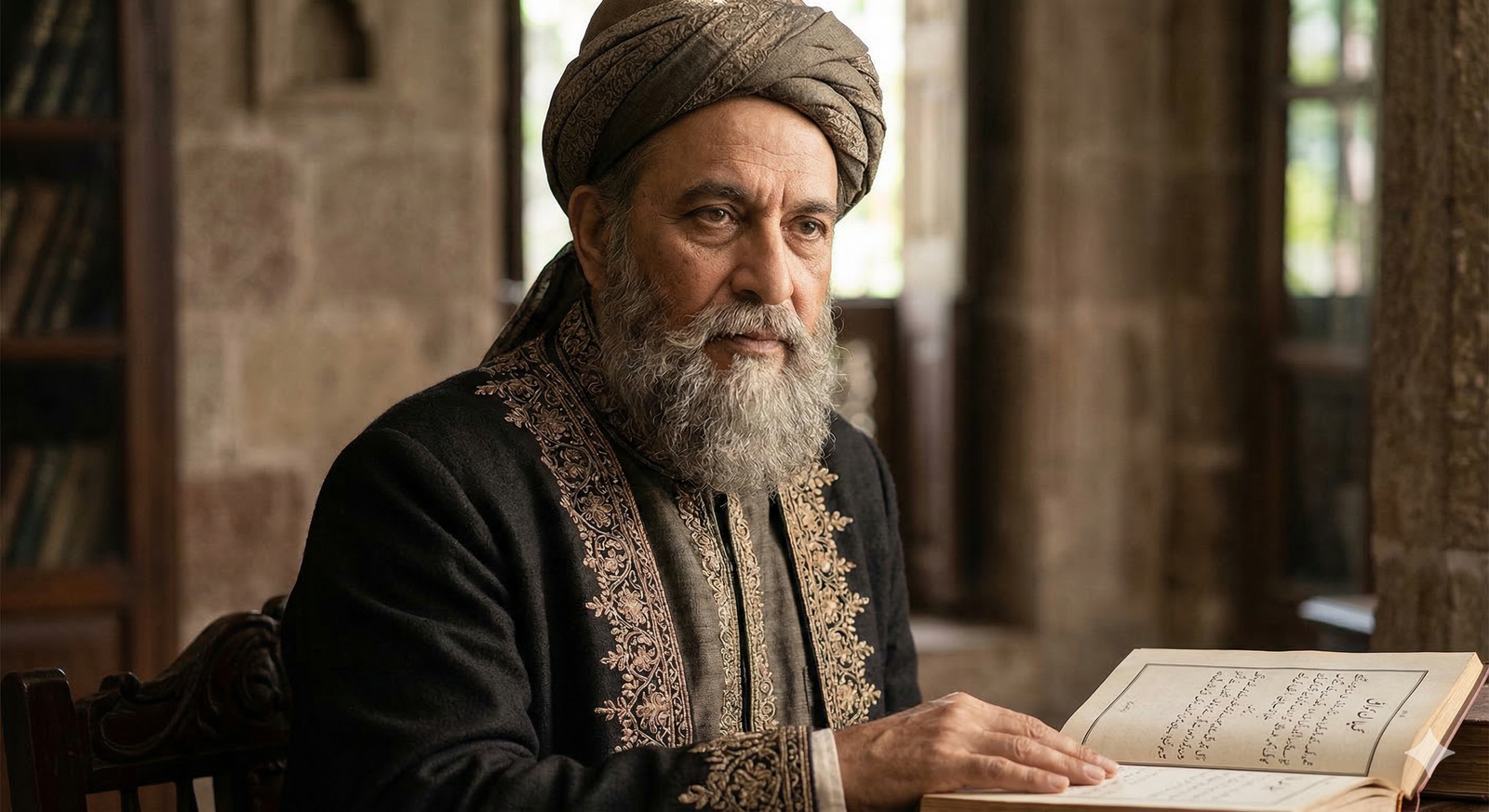
Mirza Ghalib
calendar_today 1797 – 1869 location_on Delhi, IndiaMirza Asadullah Baig Khan, widely known by his pen names Ghalib and Asad, was a preeminent Indian poet who wrote in Urdu and Persian during the twilight of the Mughal Empire. Renowned for his profound philosophical depth, emotional resilience, and absolute mastery of the ghazal form, he is considered one of the greatest poets of the Urdu language. Ghalib lived through a highly transitional era, witnessing the decline of the Mughal dynasty and the establishment of British colonial rule in India, experiences that deeply influenced his poetry and extensive correspondence.